1 in 10
Ugandan girls miss up to 4 school days every single month due to lack of menstrual products — nearly 40 days of lost learning each year.
Source · UNICEF Uganda
The Nassuuna Grassroots Education Initiative — a community-driven movement at the intersection of girls' education, menstrual health, and climate action in Uganda.
Ugandan girls miss up to 4 school days every single month due to lack of menstrual products — nearly 40 days of lost learning each year.
Source · UNICEF Uganda
of women and girls across Sub-Saharan Africa cannot afford commercial sanitary products, making menstrual poverty one of the most invisible drivers of school dropout.
Source · WaterAid, 2023
adolescent pregnancy rate in Uganda — one of the highest in sub-Saharan Africa. Girls who leave school early are most vulnerable to early marriage.
Source · Uganda DHS, 2022
of menstrual waste generated per person in a lifetime from disposables. In communities without formal waste management, it ends up in soils and waterways.
Source · Environmental Audit Committee, UK
Behind every statistic is a girl who simply needs a pad to stay in school.
The Nassuuna Grassroots Education Initiative is not designed in an office. It grows out of a direct and persistent observation: girls are disappearing from classrooms not because of a lack of talent or will, but because of a lack of something as basic as a sanitary pad.
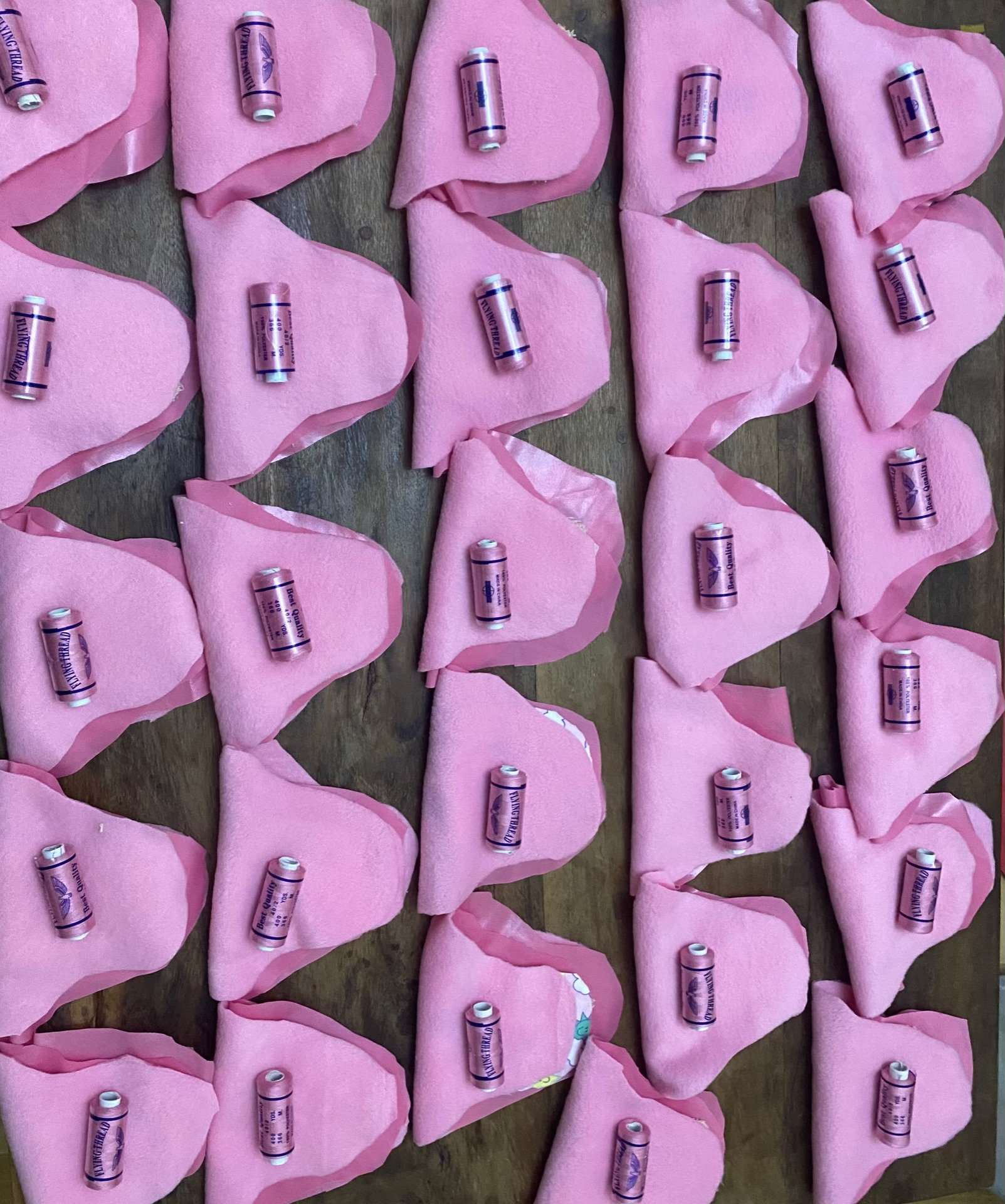
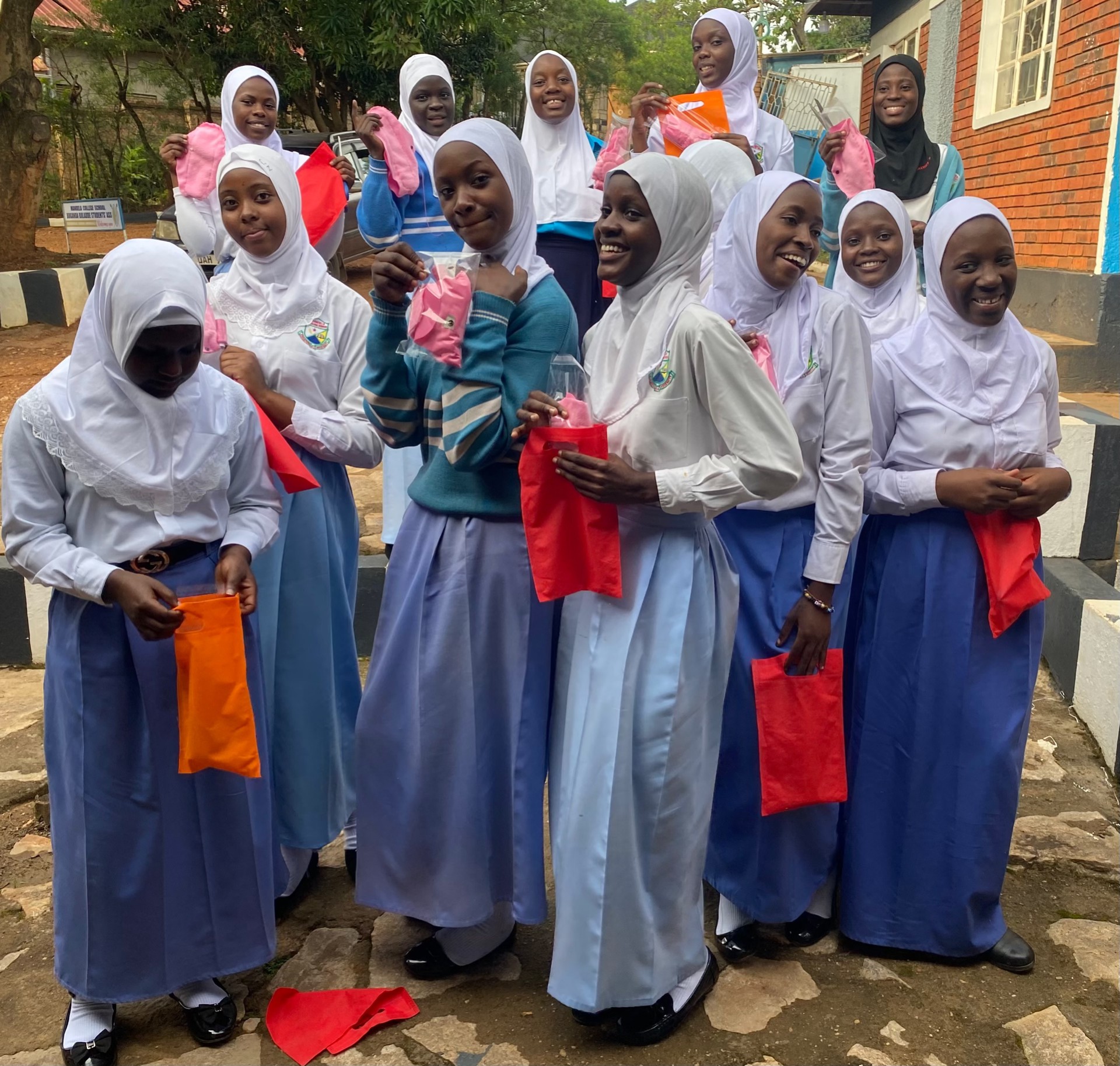
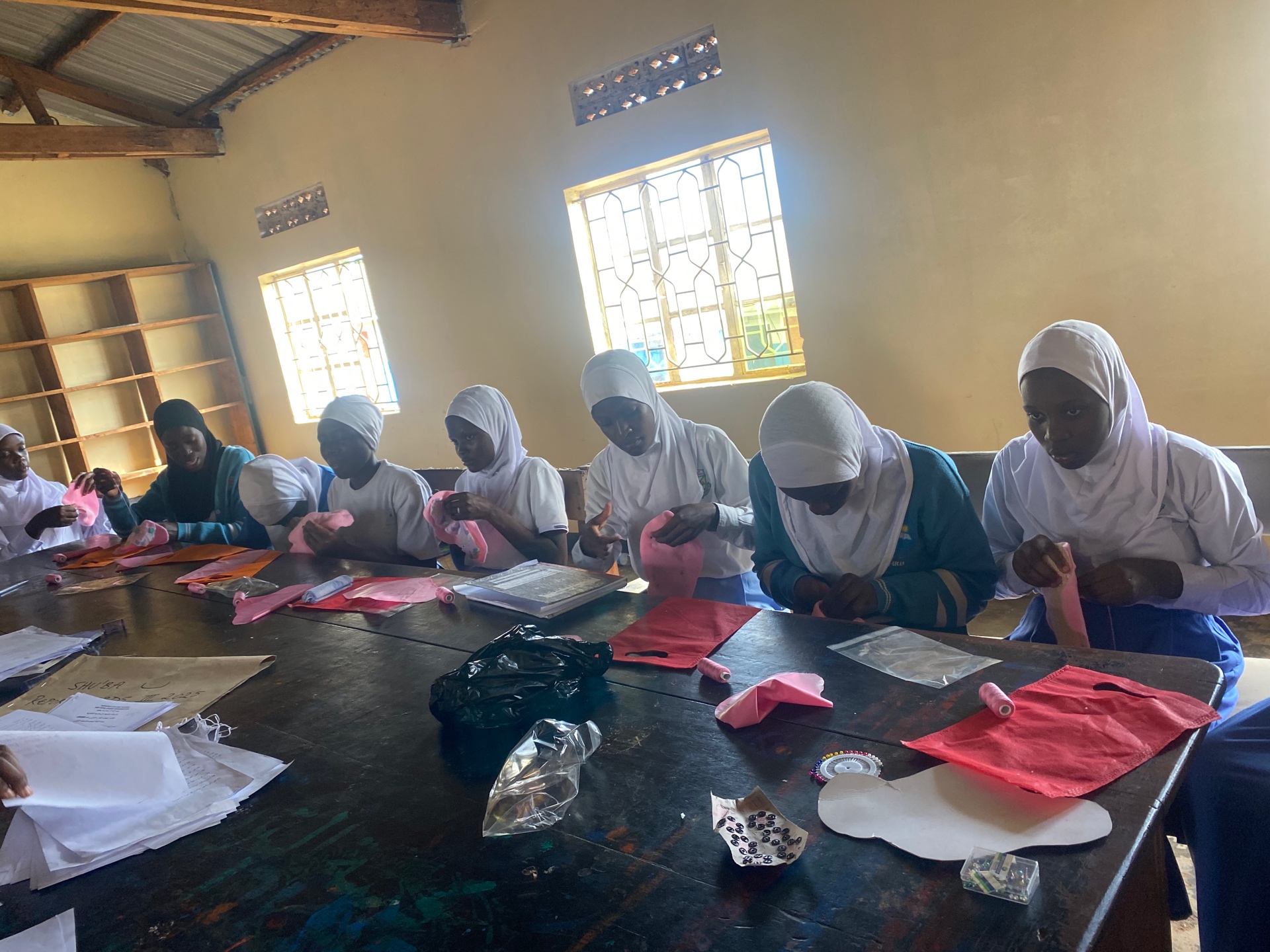
We do not respond with charity. We respond with knowledge, skills, and community. We provide girls with reusable sanitary pads and teach them to make their own using locally available materials — so that no girl ever has to choose between her dignity and her education.
A Uganda where every girl's education is never interrupted by the absence of a sanitary pad — and where communities rise by lifting each other.
To empower rural Ugandan girls through menstrual health education, reusable sanitary pads, and climate literacy — building self-sustaining communities where girls stay in school, lead with knowledge, and protect their environment.
Every number here represents a girl who is staying in school — and now has the tools, knowledge, and skills to keep going.
girls reached across four districts in Uganda
educational sessions on menstrual, reproductive & climate literacy
reusable sanitary towels distributed to girls in acute need
districts reached through school & community outreach
girls trained to make their own pads from local materials
We work directly inside schools and communities to keep girls enrolled, engaged, and equipped. Education is not just our goal — it is our method.
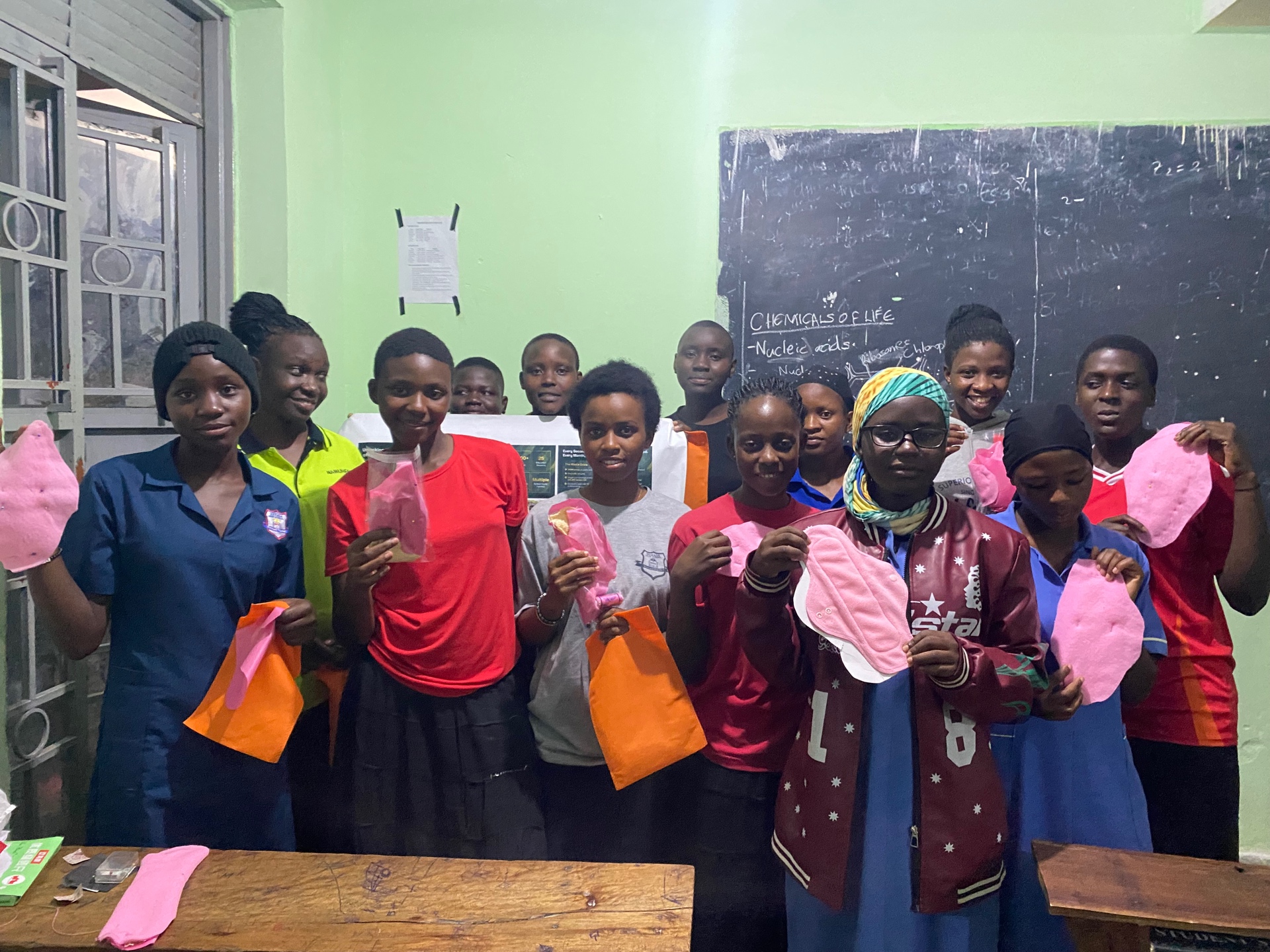
Workshops on reproductive and menstrual health that break silence and stigma. Girls leave with knowledge, reusable pads, and the skills to make more.
We connect menstrual poverty to the broader environmental crisis. Reusable pads reduce single-use plastic — turning a personal solution into environmental action.
We train girls to train others. School pad-making clubs create peer networks that carry the work forward without us. The community becomes the engine.
Single-use plastic menstrual products contribute to an estimated 200,000 tonnes of waste globally every year — most of which ends up in landfills or waterways. In rural Ugandan communities with little to no formal waste infrastructure, this environmental burden falls hardest on the people who can least afford to carry it.
We provide girls with reusable sanitary pads and teach them to make their own from locally sourced materials. One reusable pad replaces hundreds of disposables over its lifetime. Multiplied across thousands of girls in four districts, this is not simply a health intervention — it is measurable, community-led environmental action.
reduction in menstrual waste footprint when switching from disposable to reusable products. Across 2,000 girls, the cumulative impact is significant.
Journal of Cleaner Production, adapted
Our work sits at the intersection of SDG 5, SDG 4, and SDG 13. For the girls we work with, they are not separate goals — they are the same goal.
The foundation of everything we do. When a girl stays in school, the trajectory of her entire life shifts.
We do not just keep girls in school. We make school a place that genuinely serves them.
Every reusable pad made is a reduction in plastic waste. Girls own their role as environmental stewards.
Menstrual health is health. Breaking stigma reduces infection, shame, and long-term reproductive harm.
Menstrual poverty is an inequality. Addressing it closes a gap that money and policy alone cannot.
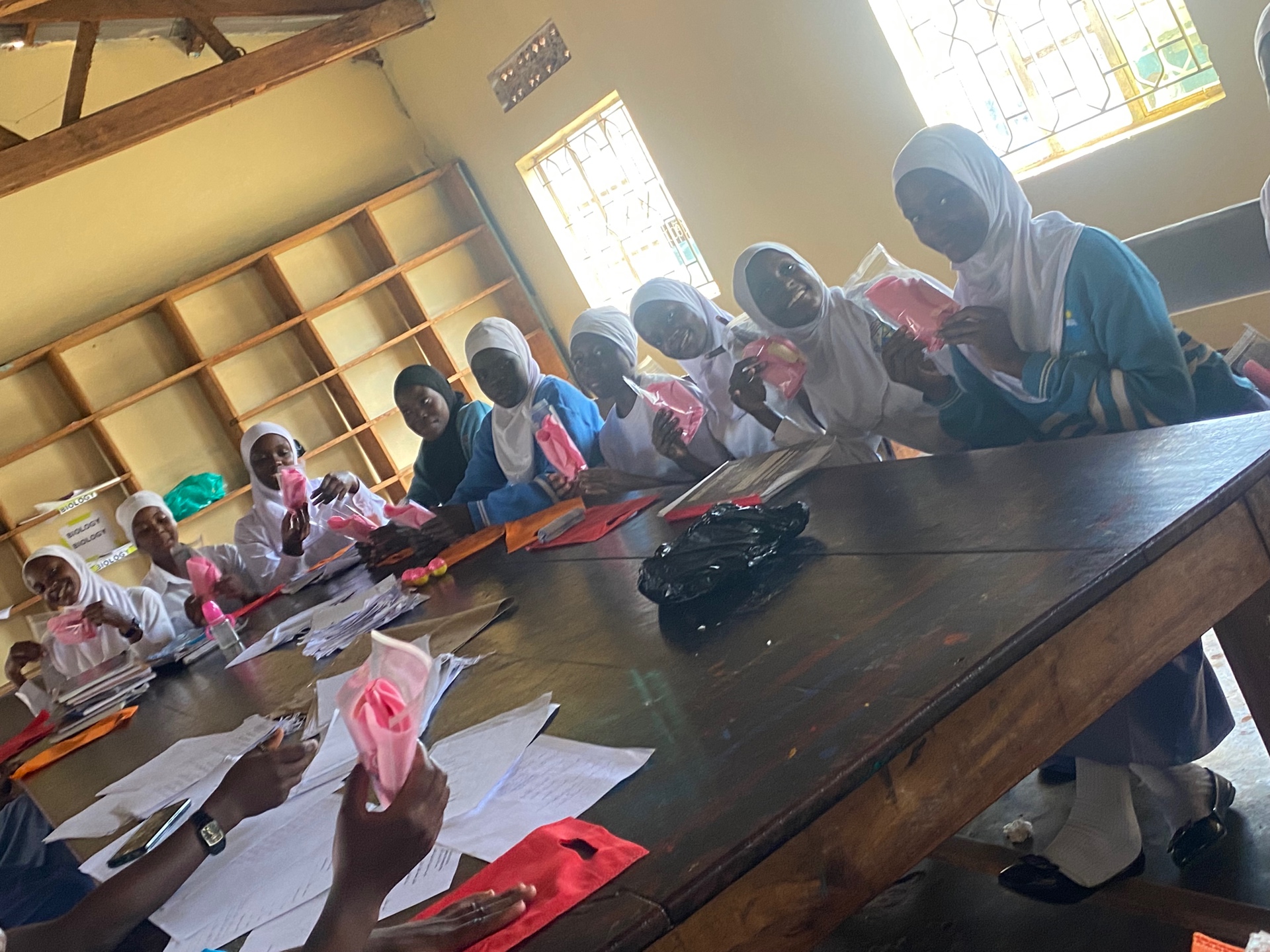
Girls attend sessions on menstrual health, reproductive health, and climate literacy.
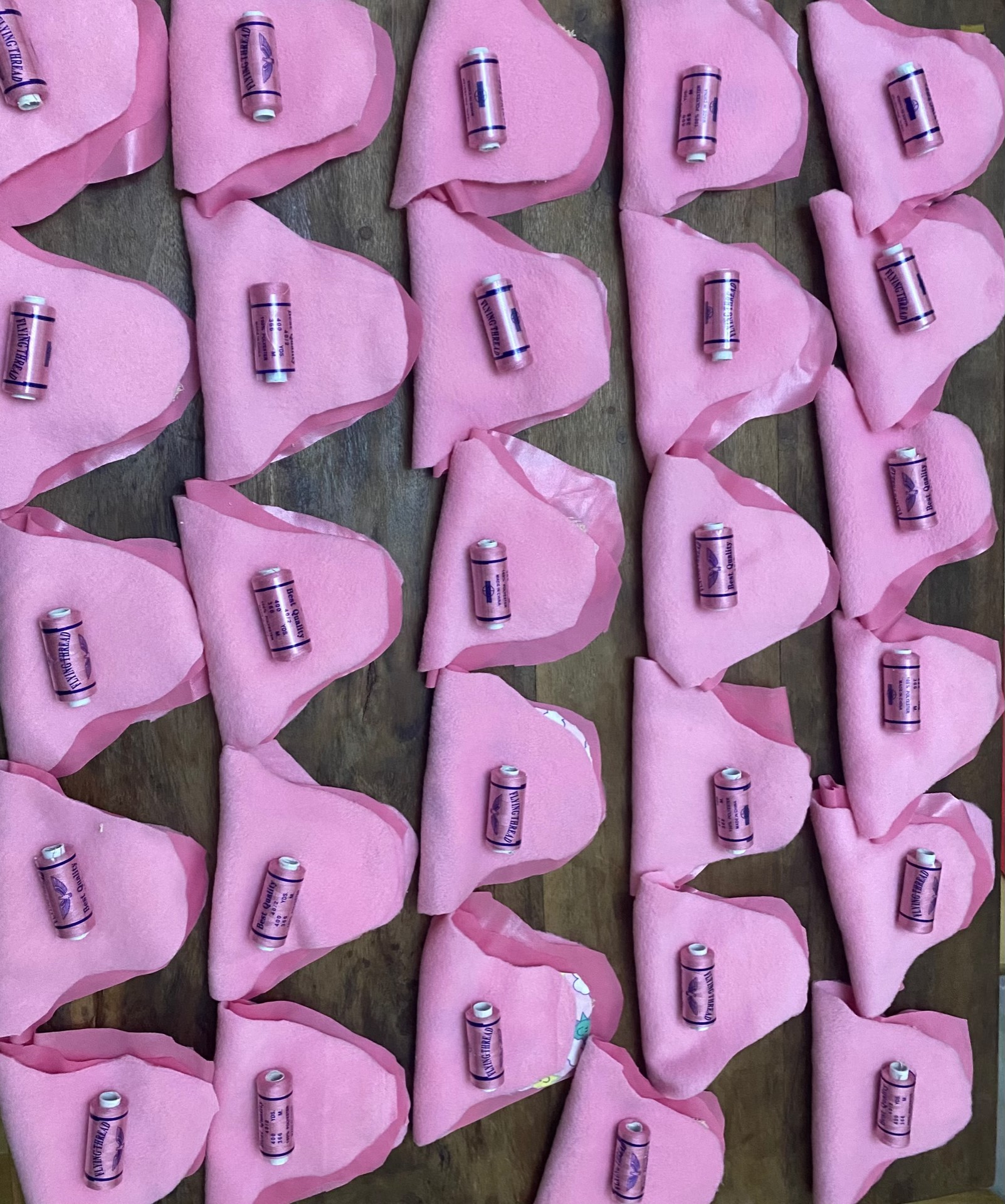
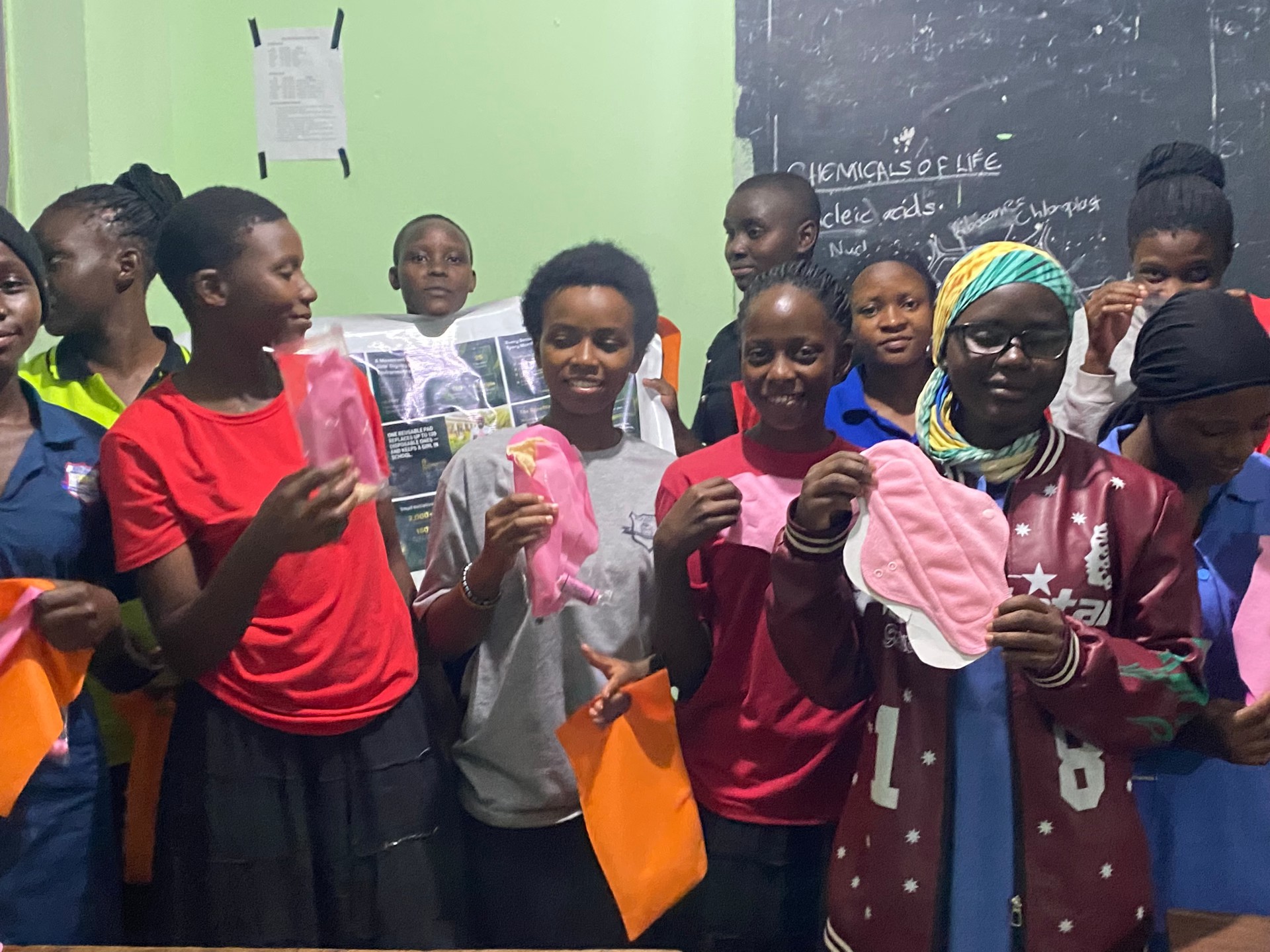
Girls receive reusable pads and are trained to make their own from local materials.
Girls form school clubs, produce pads, share skills with peers, and build a self-sustaining supply.
Clubs reach younger girls and mothers across the wider community — and the cycle continues.
We do not create dependency. We create capability.
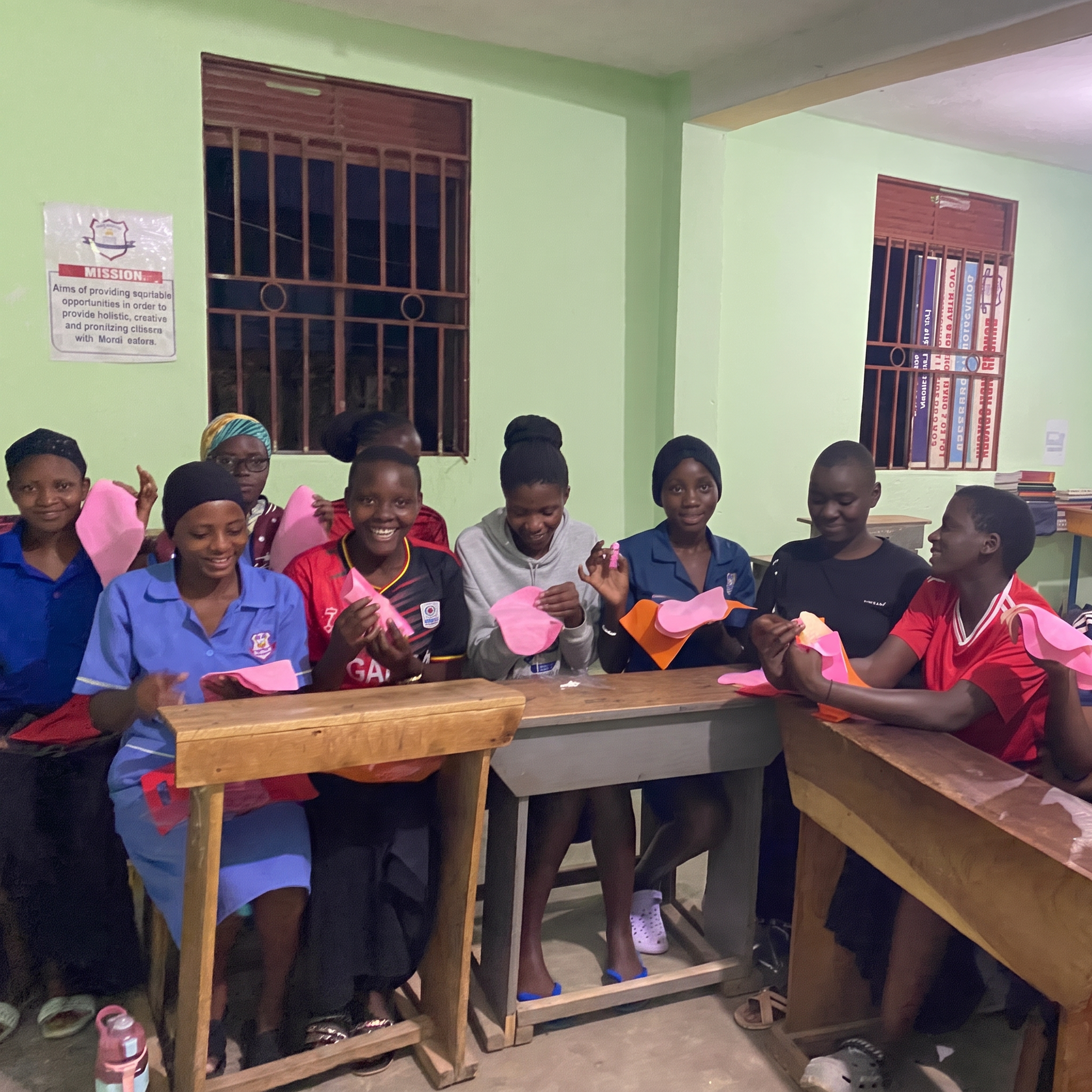
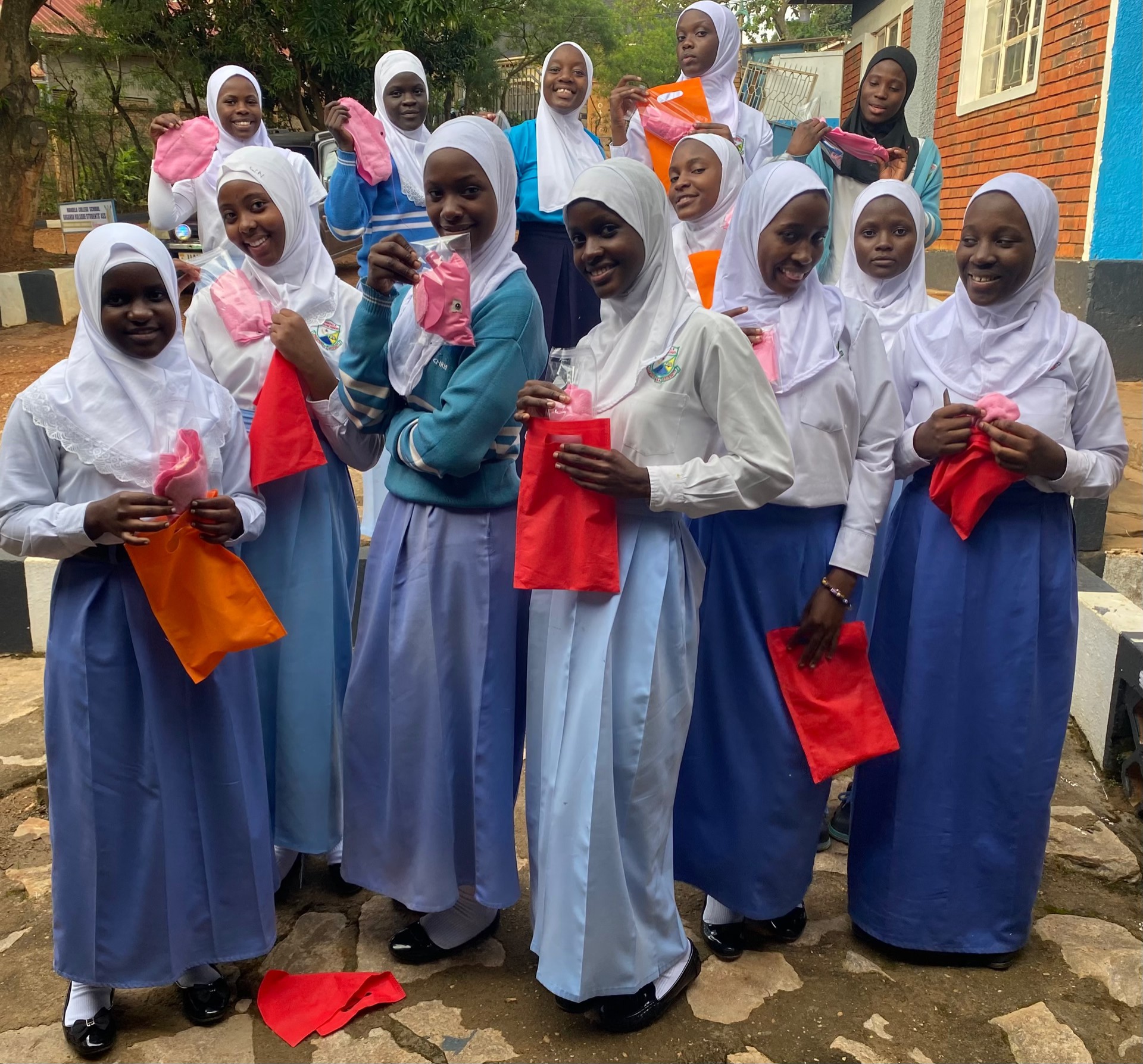
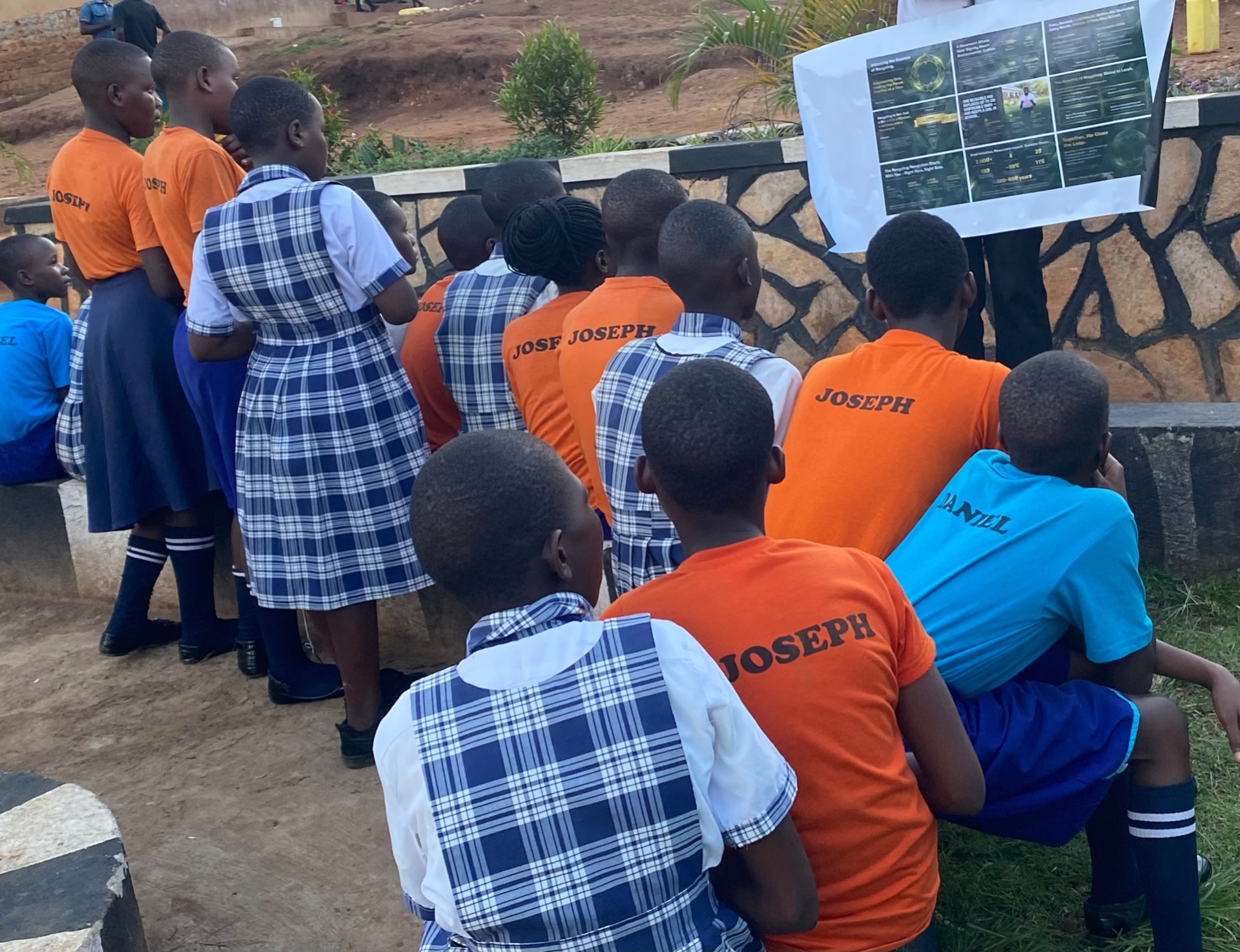
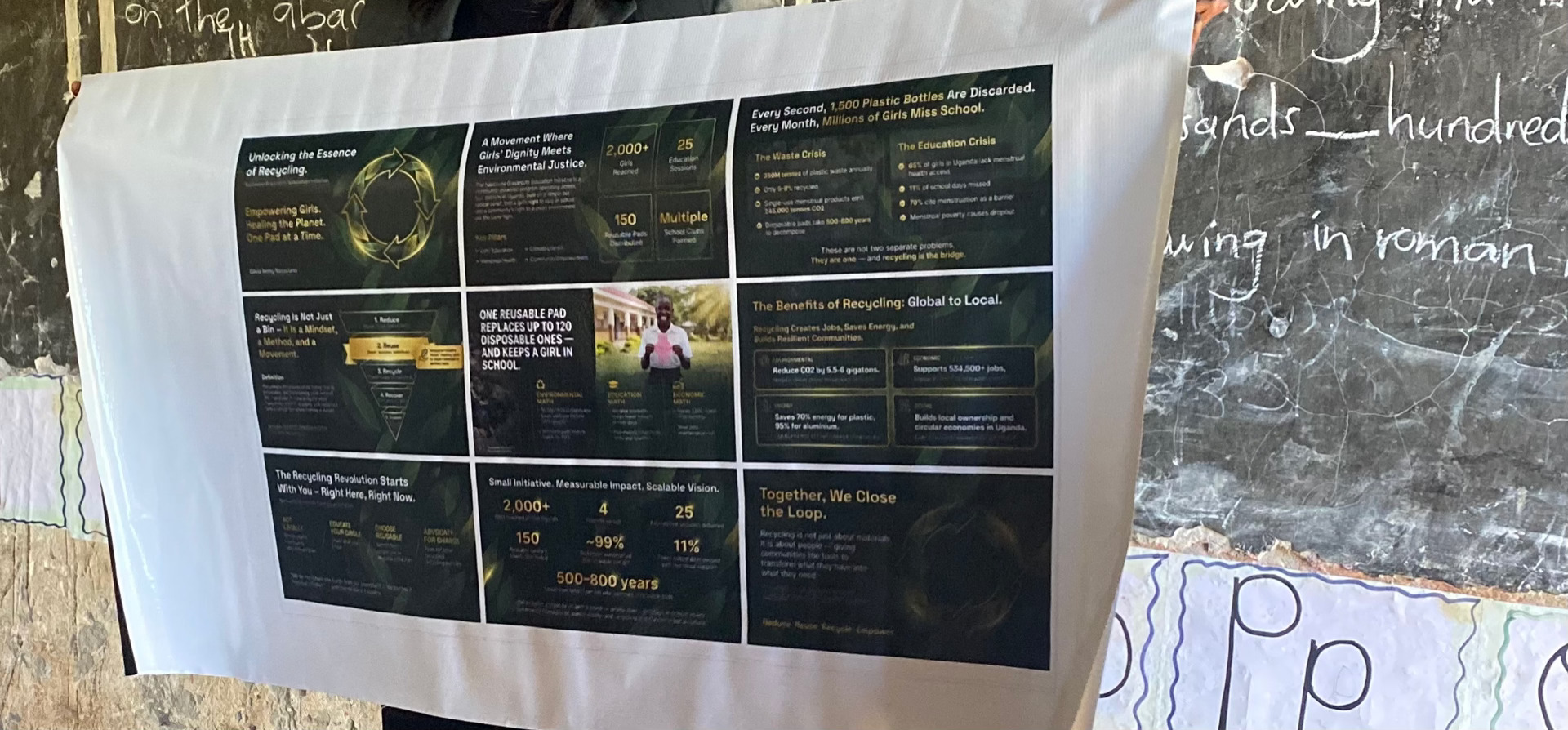
Girls across Uganda receiving reusable pad kits, joining menstrual health workshops, and learning to sew their own pads from locally sourced materials — dignity restored, one classroom at a time.
Whether you want to partner, volunteer, donate, or simply learn more about our work — send a message and we will get back to you.
Every contribution, every partnership, and every conversation moves us closer to a Uganda where no girl misses school for want of a pad.